You have just finished your workout and an inevitable question arises: what should you drink to recover properly? Water alone is not always enough, especially after intense exercise. Recovery really begins in your glass, and choosing the right drink can make all the difference to the rest of your training.
Why hydration after exercise is so important
What your body really loses during exercise
During a workout, you lose more than just water. Sweating also carries away essential minerals: sodium, potassium, magnesium and calcium. These electrolytes play a fundamental role in the proper functioning of your muscles, nerves and heart. An hour of moderate exercise can make you lose between 500 ml and 1.5 liters of fluid depending on the intensity, temperature and your body type. That is why rehydration after exercise should be considered holistically and not only in terms of the amount of water consumed.
The risks of poor hydration recovery
Even mild dehydration equivalent to 2% of your body weight is enough to reduce your physical and cognitive performance. In terms of muscle function, a lack of electrolytes promotes cramps and soreness and slows muscle rebuilding. Mentally, the fatigue felt after exercise is often intensified by an uncompensated fluid deficit. Taking care of your post-exercise hydration is therefore not an option reserved for elite athletes; it is good practice for everyone.
When these losses persist over time, the body sends fairly recognizable signals. We have listed seven of them in our article on electrolyte deficiency.
The best drinks for recovery after exercise
Water: the essential foundation
Water is, of course, the starting point for any rehydration. For light exercise lasting around half an hour, proper hydration with water is more than sufficient. The general rule is to drink 1.2 to 1.5 liters of water for every kilogram of weight lost during exercise. In practice, if you have lost 500 g on the scale after your workout, aim for 600 to 750 ml of water in the following hours.
Coconut water: a natural ally for athletes
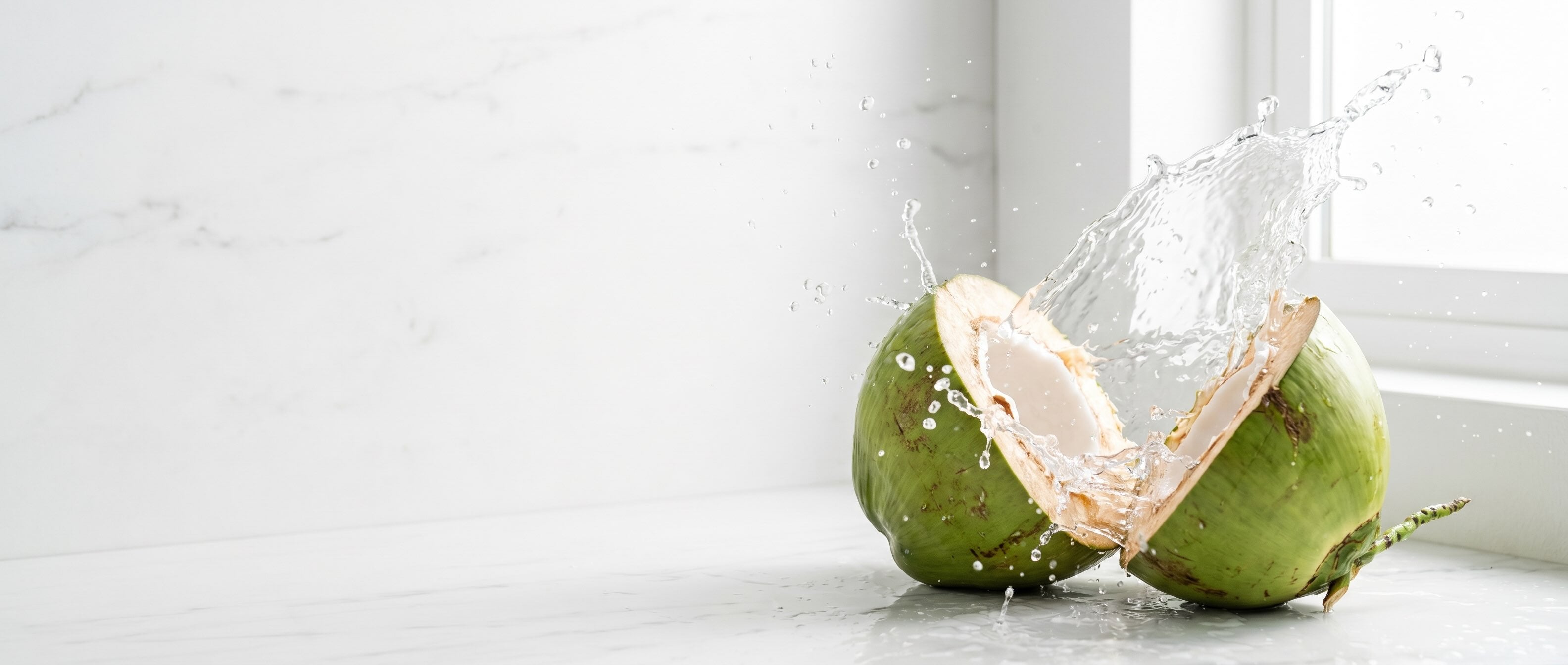
Coconut water is enjoying a real surge of interest among athletes, and this is no coincidence. Naturally rich in potassium (around 300 mg per 100 ml), it helps restore mineral balance after exercise. It also provides sodium, magnesium and calcium in interesting amounts, all without added sugars or artificial flavors. It is a natural and tasty option for those looking to rehydrate intelligently after a workout.
Electrolyte drinks: for intense exercise
For long or very intense workouts (distance running, cycling, HIIT, football matches), electrolyte-enriched drinks are particularly suitable. They quickly replenish sodium, potassium and magnesium losses while facilitating the body's absorption of water. The Buddy Hydratation range, made with coconut water, potassium, magnesium and sea salt, meets this need exactly, and its taste remains naturally pleasant.
As for coconut water in particular, often presented as the ideal recovery drink, we looked at what it really provides in our article on coconut water and exercise.
Magnesium, potassium, sodium: understanding their role in recovery
Sodium for deep rehydration
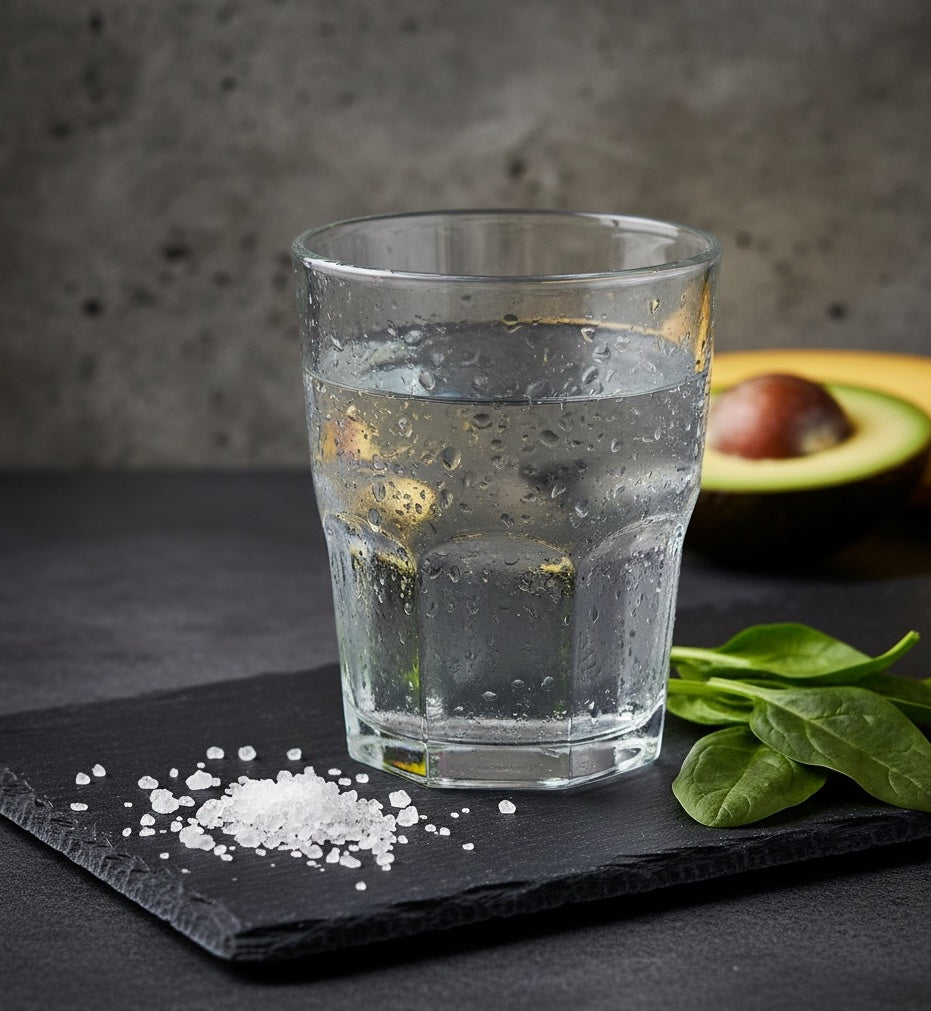
Sodium is the most abundant electrolyte in sweat. It plays a key role in the fluid balance of cells and promotes water retention at the intracellular level. Getting enough sodium after exercise allows your body to absorb the water you drink much more effectively than with plain water. This is also why you sometimes feel a strong craving for salty foods after prolonged exercise: it is simply your body's signal.
Potassium for your muscles
Potassium is essential for muscle contraction. After physical exercise, a drop in potassium levels can cause cramps, muscle fatigue and a feeling of heavy legs. Sports recovery recommendations call for an intake of around 300 mg of potassium per hour of intense exercise. Foods naturally rich in potassium, such as bananas, coconut water and legumes, are excellent post-workout allies.
Magnesium to reduce fatigue
Magnesium is often overlooked in sports recovery, even though it is involved in more than 300 enzymatic reactions in the body. It contributes to muscle relaxation, reduces post-exercise soreness and improves sleep quality, which is essential for effective recovery. A regular athlete who does not replenish magnesium losses risks accumulating chronic fatigue that can be difficult to identify.
These three minerals are also the ones that come up when discussing cramps. We explain the mechanism in our article on cramps and electrolytes.
How long after exercise should you drink?
The recovery window: the first 30 minutes
The 30 minutes following the end of physical exercise are often called the anabolic window. This is the period during which your body is most receptive to nutritional and fluid intake. Starting to drink as soon as your workout ends, in small regular amounts, is much more effective than drinking a large glass all at once. Choose a cool drink rather than an ice-cold one to avoid causing thermal shock.
Continuous hydration over the next two hours
Fluid recovery does not happen all at once. Over the two hours following your workout, continue drinking regularly, aiming for around 500 ml to 1 liter depending on the intensity of the exercise. If your urine still appears dark, this is a clear indication that you have not yet rehydrated sufficiently. Pale or slightly yellow urine is a sign that your hydration level is good.
To choose a suitable formula, our electrolyte drink guide explains what to look for on a label, and the actual amounts in brands on the market are compared on drinkscore.info. For an already portioned option, our electrolyte powder provides 252 mg of sodium, 300 mg of potassium and 56 mg of magnesium per stick, with no sugar.
FAQ: your questions about sports recovery drinks
Is water alone enough after exercise?
For short, low-intensity exercise, water is more than sufficient. But as soon as a workout lasts more than 45 minutes or sweating is heavy, replenishing electrolytes becomes useful. Water alone provides neither sodium nor potassium, two elements essential for muscle recovery.
Can you drink milk after exercise?
Yes, milk is an interesting option after exercise because it provides proteins (casein and whey) that support muscle recovery, as well as calcium and potassium. It can be used as a recovery drink, particularly after strength-training sessions. However, for endurance exercise or intense cardio sessions, an electrolyte drink is better suited to immediate rehydration.
Which electrolytes are essential after exercise?
The four electrolytes to prioritize after exercise are sodium, potassium, magnesium and calcium. Sodium and potassium are lost in large amounts through sweat and should be replenished first. Magnesium plays a role in fatigue and muscle relaxation, while calcium is involved in muscle contraction and bone health.
How much water should you drink after an hour of exercise?
After an hour of moderate- to high-intensity exercise, it is recommended to drink between 500 ml and 1 liter of fluid during the two hours following exercise. The best way to determine your needs is to weigh yourself before and after your workout: each kilogram lost corresponds to approximately 1 liter of fluid to replace.
Is sparkling water good for recovery?
Sparkling water can be consumed after exercise, but in moderation. The carbonation can cause bloating and reduce the amount you drink. It offers no particular advantage over still water in terms of rehydration. If you enjoy it, there is no reason to avoid it, but focus mainly on an electrolyte-rich drink for optimal recovery.
In summary
Hydrating properly after exercise is as much about quality as quantity. Water remains the foundation, but for intense or prolonged exercise, replenishing natural electrolytes such as sodium, potassium and magnesium really makes a difference to muscle recovery and the energy you feel in the following hours. Whether you choose coconut water, an electrolyte drink or a homemade blend, the key is to drink soon after exercise and maintain hydration over the next two hours.